
Previous Residents Sources in Baldwin Park
A Baldwin Park address leaves different traces in different record sets. Deeds name transfer parties, while directories and census schedules can show occupants. Permits date property changes, and local history collections explain older place names. The coverage below keeps those roles distinct.
| Source | Years It Covers | Where Held | What It Shows |
|---|---|---|---|
| Recorded deeds | 1850/1851-present | RR/CC Norwalk index; copies by mail, fax, online, or in person | Owners, transfers, legal descriptions, parties, recording dates |
| Assessor current roll | Current effective date shown by the portal | LA County Assessor Portal | AIN, situs, characteristics, values, and mailing distinction |
| Baldwin Park city directories | Paper 1923/24, 1931, 1939, 1941, 1943, 1947, 1954, 1956-57, 1958; film 1931, 1947, 1949-50 | LAPL History & Genealogy; some volumes shelved under Azusa or Covina | Names, addresses, occupations, spouses, and occupant clues by volume |
| Federal population census | 1850-1950 currently public under the 72-year rule | NARA and established genealogy databases | Household members, ages, birthplaces, occupations, and enumeration geography |
| City permits and code files | Exact online starting year not officially located | Baldwin Park Building & Safety through CPRA | Construction, alterations, applicants, contractors, and inspections |
| Sanborn maps | No Baldwin Park-specific official sheet located | Library of Congress catalog or library reference | Building footprint and use where a matching map exists |
Start with the Assessor Portal for a parcel, then use the recorder for ownership and the library shelf for occupants. Pair mid-century directories with the 1950 census. For older trails, search county land records and historic place labels. A missing directory year means only that the person was not listed in that volume.
Start with Baldwin Park Parcel Records
Use the Los Angeles County Assessor Portal with the exact situs address. Basic Search accepts an address or 10-digit Assessor Identification Number, or AIN. Legal Search helps with the land description, and Map Search selects a mapped parcel. Record the AIN, situs, legal description, property type, transfer history, effective date, and any displayed owner or mailing clue.
Situs is the physical parcel. Mailing address is where a tax notice goes. Neither proves occupancy. An owner clue bridges to the deed index, not a resident roster, and an exemption is supporting evidence only. The sequence is address to AIN and legal description to owner clue to deed index. Keep the portal's effective date because displayed facts can change.
Trace Baldwin Park Deed Records Backward
The Los Angeles County Registrar-Recorder/County Clerk holds real-property documents from the 1850/1851 range forward. Its official instructions state that the grantor and grantee index is not on the open web and cannot be searched by street address. At Norwalk, alphabetical indexes are inspected by party and recording year. Telephone index searches are not accepted.
When a visit is not practical, use the county's mail route or online, fax, or in-person copy ordering. Give the title, every known party, and a year or range. Mailed and online orders can take 20 working days. The listed name-and-year search is $0.50 per name and year; plain copies are $5 for the first page plus $3 each added page, and certified copies are $6 plus $3. The complete document is the useful proof of transfer.
- Find the parcel and legal description in the Assessor Portal.
- Search the current owner as grantee in Norwalk for the likely recording year.
- Record the grantor, document number, date, and legal description.
- Search that grantor as grantee in earlier indexes, checking spelling and trust or corporate forms.
- Repeat toward the 1850/1851 range, confirming the same lot or predecessor parcel.
- Grantor and grantee
- The transferor and recipient. A grantee is not automatically the person who lives at the address.
- Chain of title
- Linked recorded transfers connecting a present interest with earlier owners.
- Legal description
- The tract, lot, parcel, or other land identity, useful when a street number changes.
- Instrument number
- The recorder's identifier for retrieving a document after the index search.
The recorder's indexing FAQ confirms the party-and-year method before an order.
The county's mail-request instructions show the written route when a Norwalk visit is not practical.
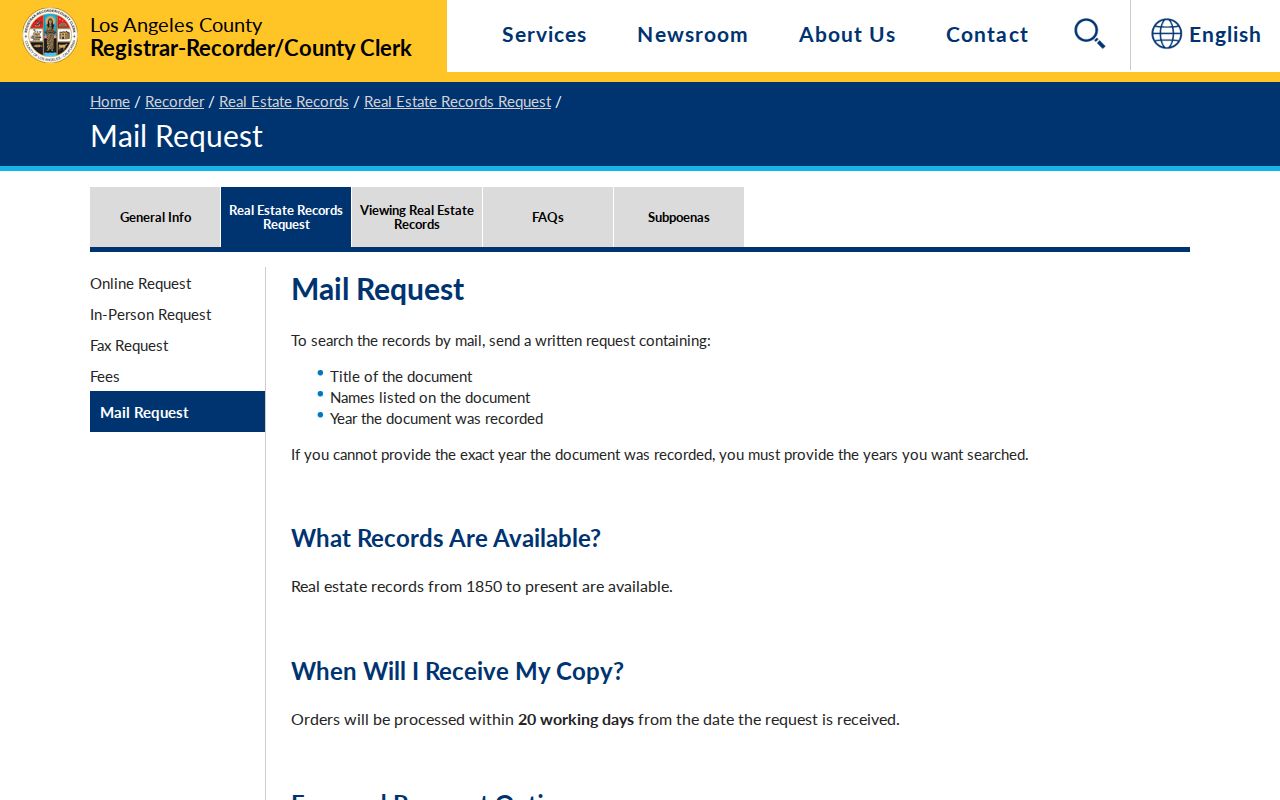
The form's names, document details, and year range mirror the backward chain: the parcel supplies the clue, but the recorder searches by party and time.
Baldwin Park Records Across the Floor Divide
The Norwalk reading room separates the deed index by date. Records from 1851-1957 are reviewed on the lower level, while records from 1958-present are on the second floor. The split changes access location, not the existence of earlier books.
Plan around the recording date and carry the same legal description across both ranges. A 1958 transfer may lead to a seller whose deed sits downstairs. Coverage reaches the 1850/1851 range, but the web still stops before the grantor and grantee index. Treat the counter, written order, and purchased copy as one chain.
Baldwin Park Address Records Beyond Street Names
Street labels help with the first parcel search but are weak anchors for older records. Address renaming, parcel splits, and subdivisions can leave a modern number pointing to another legal unit. Preserve the AIN, situs, mailing address, legal description, tract or lot, and predecessor parcel number. Follow a lot identity forward before matching people.
Early material may use Pleasant View, Vineland, Baldwin Park, Covina, La Puente Valley, a township, an enumeration district, or a rural route. No official dated street-renumbering ledger was located, so record which label and land description produced the match. Do not force a modern address onto an unlinked record.
Use Baldwin Park Reverse Directories for Occupants
A reverse or criss-cross directory changes the question from “who is the person?” to “who was listed at this address?” The distinction is central to previous residents research. The LAPL digitized-directory guide describes address-order editions, including reverse coverage for 1906, 1927, and 1956-1987, but a Los Angeles-area volume does not guarantee a Baldwin Park page.
Entries can include a person or business, spouse, occupation, and address. The marks h and r can distinguish a householder from a resident. Try street abbreviations and OCR variants, then check the alphabetical section. Baldwin Park holdings are discontinuous, so use adjacent years to mark arrivals and departures. Collection details and shelf traps are covered in the Baldwin Park city directory reference.
- Criss-cross directory
- A street or address arrangement for finding an occupant without starting from a surname.
- Householder
- The listed household lead, which may differ from the deed owner.
- Enumeration district
- A census-taker area whose boundaries can shift between years.
Pair Baldwin Park Residents with 1950 Census
The federal population census is public through 1950 under the 72-year release framework. It can add household members, ages, birthplaces, occupations, and census geography. A directory may list one householder while the census shows a larger household. A deed may name an owner absent from both. Pairing the sources keeps each role distinct.
The National Archives census research guidance is the starting point for census access and release rules.
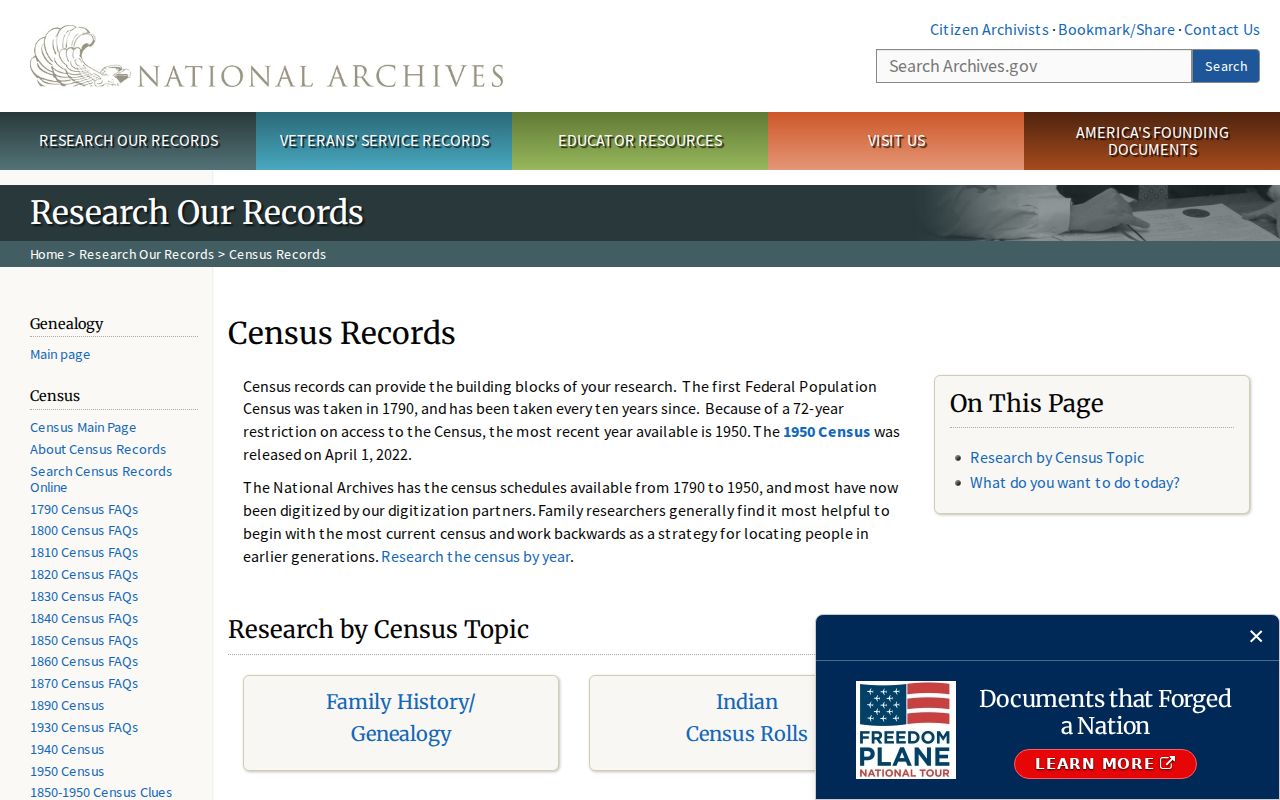
Record the enumeration geography, place label, and household details alongside the directory page, not as a bare name.
- Normalize the historic place name and identify the likely county, township, or enumeration district.
- Find the address in a reverse directory and copy adults, symbols, occupations, and nearby street clues.
- Compare it with the 1950 census or the nearest available year, allowing for changed district lines.
- Test ownership with the deed and assessor record; label anyone who appears only as an occupant.
A blank census line or missing directory year does not prove a house was empty. The address may use another place name, rural route, or parcel description.
Date Baldwin Park Homes Through Permit Records
Permits and code files can anchor a physical change. Baldwin Park Building & Safety can provide permit cards, issued permits, plans subject to access or copyright limits, and inspection history. Planning may hold entitlements, conditions, parcel maps, and zoning material; Engineering or Public Works may hold street improvements and encroachments. These records show work and approvals, not a complete resident list.
Use the city's Public Records Request Portal when an online search is absent. The direct form has address lines, department choice, a description field, and email, copy, or CD delivery. Copies are listed at $0.25 per page and a CD at $15. The portal is preferred, while the form identifies email, fax, and City Clerk routing. Building & Safety is 626-813-5265; Planning is 626-813-5261; Community Enhancement is 626-813-5238.
HDL and Accela are daily-updated systems of record, not public self-search portals. Ask for an existing, identifiable, nonexempt address record. A CPRA determination normally comes within ten calendar days; later disclosure can take longer.
Close Baldwin Park Resident Records with Probate
Probate files, recorded affidavits or deeds, obituaries, and death indexes can close a trail after a past resident leaves or dies. Los Angeles Superior Court handles probate, while the recorder preserves land documents that may follow an heir. An obituary can supply relatives or a former address, but it is not proof of title or residence.
Search the LA County Library Californiana Collection through catalog and reference help. Its Norwalk closed stacks include directories, newspapers, California census schedules from 1850-1910, the Los Angeles Star from 1851-1879, and regional histories. The Baldwin Park branch, local newspaper archives, the Historical Museum & Society, and archival finding aids can add context. Confirm custody before treating an index as a record copy.
Baldwin Park Resident History Before Incorporation
Search the local name sequence in every older house history. The settlement was Pleasant View, became Vineland in 1880, and later used Baldwin Park before incorporation in 1956. The Vineland School District dates to 1890. Rancho La Puente, finalized at 48,790 acres in 1845, included modern Baldwin Park; division, railroad growth, farming, and subdivision shaped later land records.
The Baldwin Park Historical Museum & Society history page is a local referral point for photographs, school material, family files, or street-name clues. It has no online catalog or member directory, so confirm holdings. Search Pleasant View, Vineland, Baldwin Park, Covina, and La Puente Valley, then bring the matching legal description back to the deed chain.
Those older names explain why previous residents may appear under a heading that never uses the modern city name.
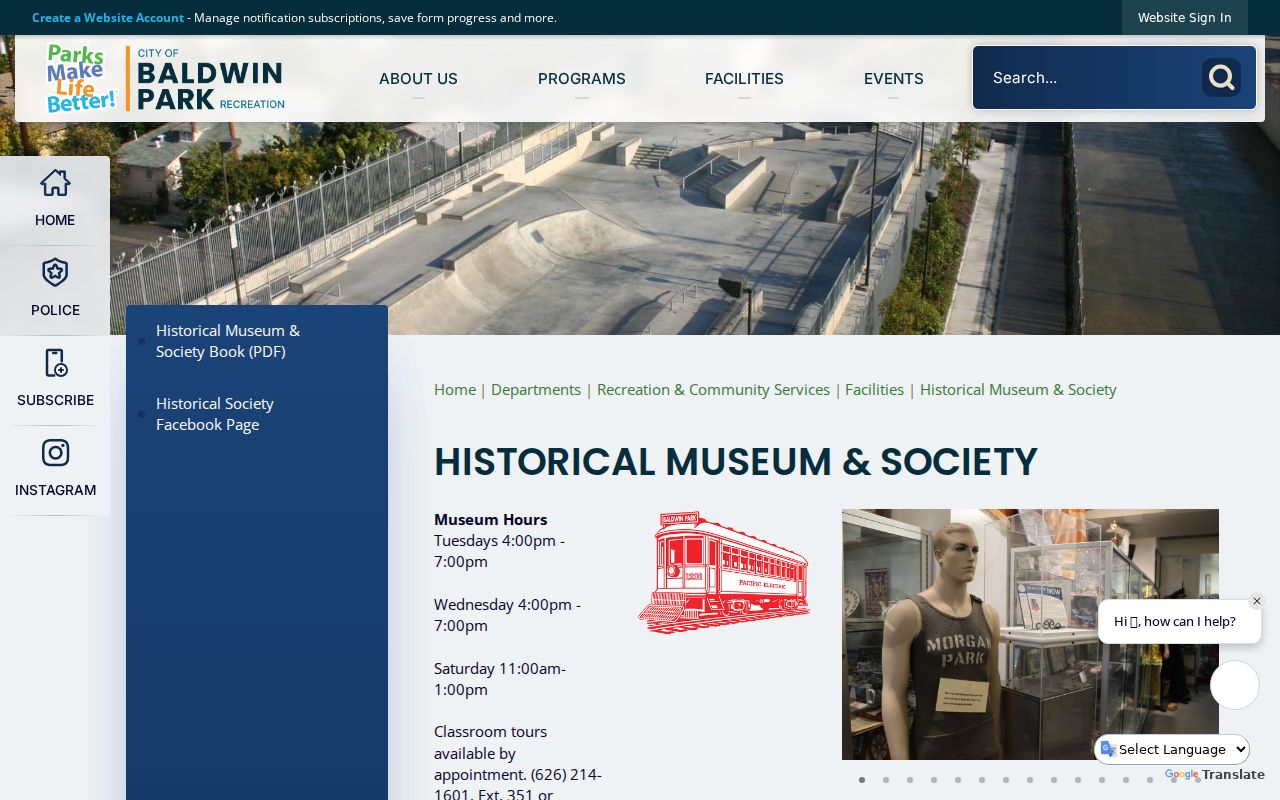
The image points to local context for connecting a deed, directory entry, or census household to Baldwin Park's earlier setting.
Lawful house history. Previous-resident research in Baldwin Park suits genealogy, family history, restoration, title context, and personal curiosity. Do not use records to stalk, harass, threaten, or track a living person, or work around protected addresses.